- 5 Nami Lane, STE 1, Trenton, NJ 08619
- (609) 586-8140
- [email protected]
- Monday-Friday 8:30 AM to 5:30 PM
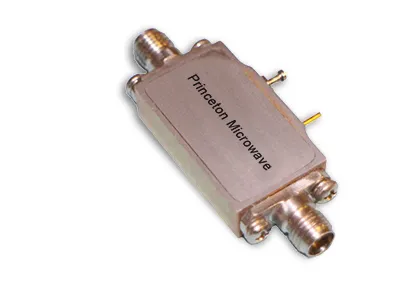
Model Number: PmTA – Start End Frequency – Gain – Noise Figure
| MODEL NUMBER | Frequency (GHz) | Gain | Pout 1dB | Noise Figure | Datasheet | |
| Start | Stop | dB Min | dB min | dB Max | ||
| PmTA-0506-30-4 | 0.05 | 6 | 30 | 18 | 4 | Datasheet |
| PmTA-0112-30-4 | 1 | 12 | 30 | 17 | 4 | Datasheet |
| PmTA-0218-17-2 | 2 | 18 | 17 | 18 | 2 | Datasheet |
| PmTA-0220-30-2.5 | 2 | 20 | 30 | 16 | 2.5 | Datasheet |
| PmTA-0223-30-2 | 2 | 23 | 30 | 17 | 2 | Datasheet |
| PmTA-0618-40-1.8 | 6 | 18 | 40 | 16 | 1.8 | Datasheet |
| PmTA-0620-40-2.5 | 6 | 20 | 40 | 10 | 2.5 | Datasheet |
| PmTA-0721-45-2.3 | 7 | 21 | 45 | 15 | 2.3 | Datasheet |
| PmTA-1230-24-2 | 12 | 30 | 24 | 23 | 2 | Datasheet |
| PmTA-1830-20-3 | 18 | 30 | 20 | 10 | 3 | Datasheet |
| PmTA-1832-44-3 | 18 | 32 | 44 | 18 | 3 | Datasheet |
| PmTA-2030-30-2.2 | 20 | 30 | 30 | 11 | 2.2 | Datasheet |
| PmTA-40G-15-4.5 | 30KHz | 40 | 15 | 22 | 4.5 | Datasheet |
| PmTA-40G-24-3.2 | 30khz | 40 | 24 | 11 | 3.2 | Datasheet |
In any receive chain, the first amplifier sets the noise floor for everything that follows. Friis’ formula makes the point precisely: the noise contribution of every later stage is divided by the cumulative gain ahead of it, so the noise figure of the first LNA dominates the system total. A fraction of a dB at the front end is worth far more than the same improvement anywhere else in the chain.
Low noise amplifiers sit at the front of satellite ground station and on-board receivers, radar receive chains, electronic warfare and SIGINT systems, and precision test instrumentation. In each case the LNA is recovering signals close to the thermal noise floor, so both noise performance and stability over temperature matter more than raw gain.
Princeton Microwave designs and builds solid-state low noise amplifiers for military, space, and commercial programs, with custom frequency coverage, connector and packaging options, and extended environmental screening available. Amplifiers can be supplied with characterization data at temperature extremes for direct inclusion in system link budgets.
Related products: Amplifiers Overview | Power Amplifiers | ALC Amplifiers | UHF Amplifiers | T/R Modules
Technical reading: How to Characterize Low Noise Amplifiers | Design & Manufacturing Capabilities